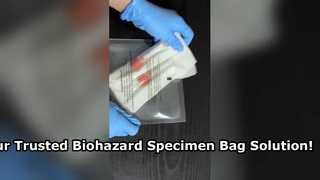
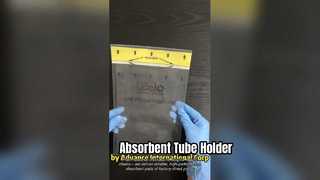
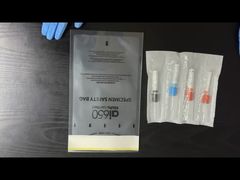
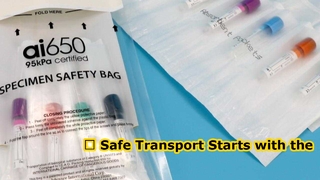
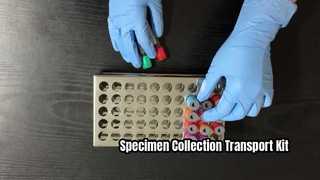
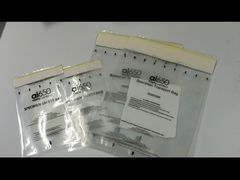
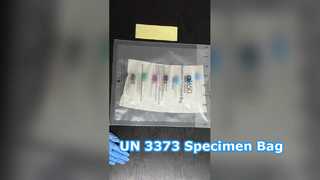
Brief: Thinking about an upgrade? This short demo helps you evaluate the fit. Watch as we showcase the APS7X550 specimen bag, demonstrating its secure 7-bay design for transporting clinical specimens and UN3373 biohazard substances in compliance with international regulations. You'll see how the integrated absorbent pad works and how it fits into a complete secondary packaging solution.
Related Product Features:
Features 7 individual bays, each measuring 150mm x 40mm, for organized and secure transport of multiple specimens.
Provides a total minimum absorbency of 550 cc to effectively contain leaks and spills.
Complies with UN3373 regulations and is designed for safe transport of diagnostic and clinical samples.
Constructed from multi-layered polymeric material with high absorption properties and puncture resistance.
Ideal for use with 95 kPa specimen transport bags to meet DOT and IATA shipping requirements.
Includes a leak-proof adhesive closure and printed tracking information for enhanced safety and traceability.
Packaged 1200 sleeves per carton for efficient storage and logistics.
Designed to keep specimen tubes separate while providing cushioning during transportation.
FAQs:
What is the primary use of the APS7X550 specimen bag?
It is designed for the secured transportation of medical, clinical, or diagnostic specimens, as well as UN3373 biohazard substances, in compliance with United Nations regulations PI650.
How does the absorbent feature work in this bag?
The bag consists of a multi-layered polymeric material with extremely high absorption properties, providing a total minimum absorbency of 550 cc to contain leaks and spills from transported specimens.
Is this specimen bag compliant with international shipping regulations?
Yes, it is designed to comply with UN3373 regulations and, when used with a 95 kPa bag or sponge box, meets DOT and IATA shipping requirements for hazardous materials.
How many specimen tubes can the APS7X550 hold?
It features 7 individual bays, each capable of holding one specimen tube, allowing for the organized and separate transport of up to 7 tubes at once.